Achilles Tendinopathy Treatment Glasgow | Specialist Shockwave Therapy
High-Technology Solutions for Chronic Achilles Pain & Stiffness
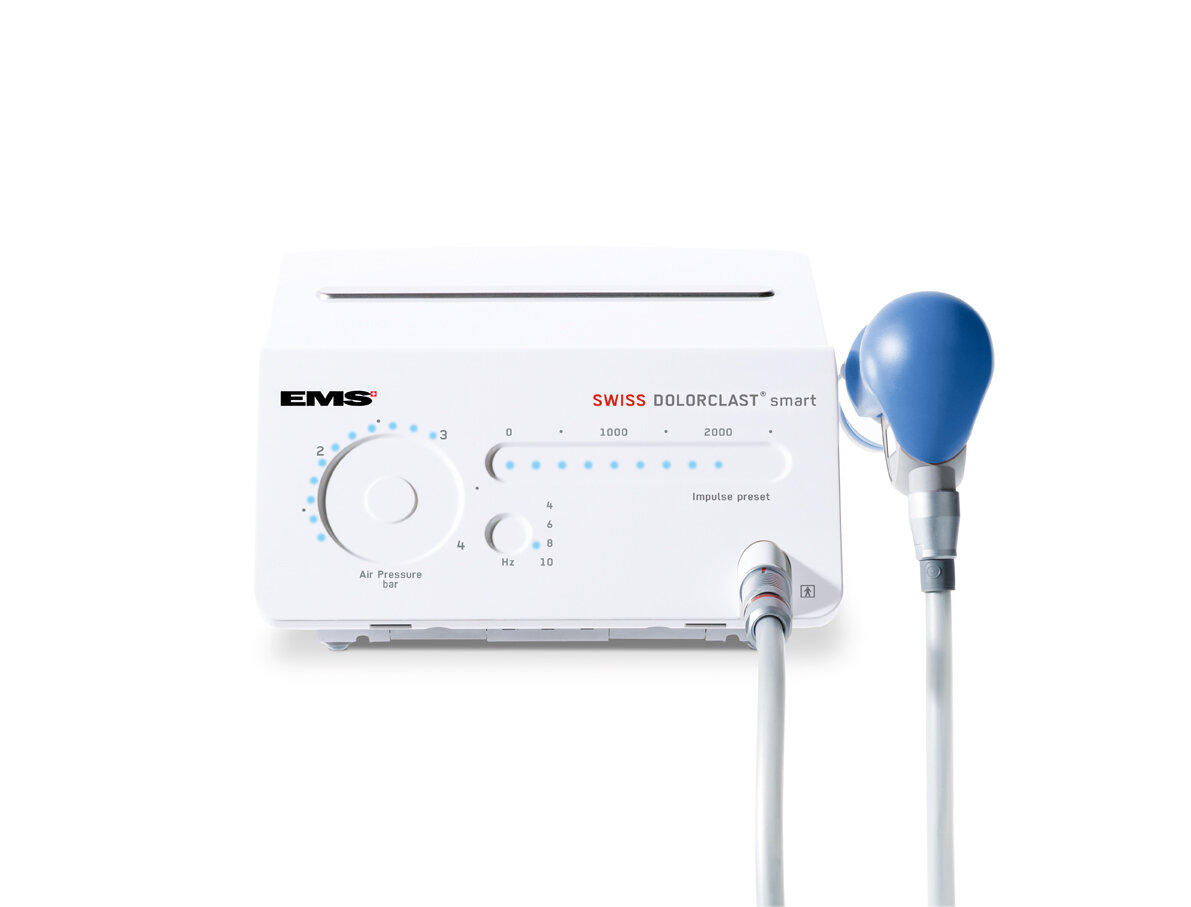
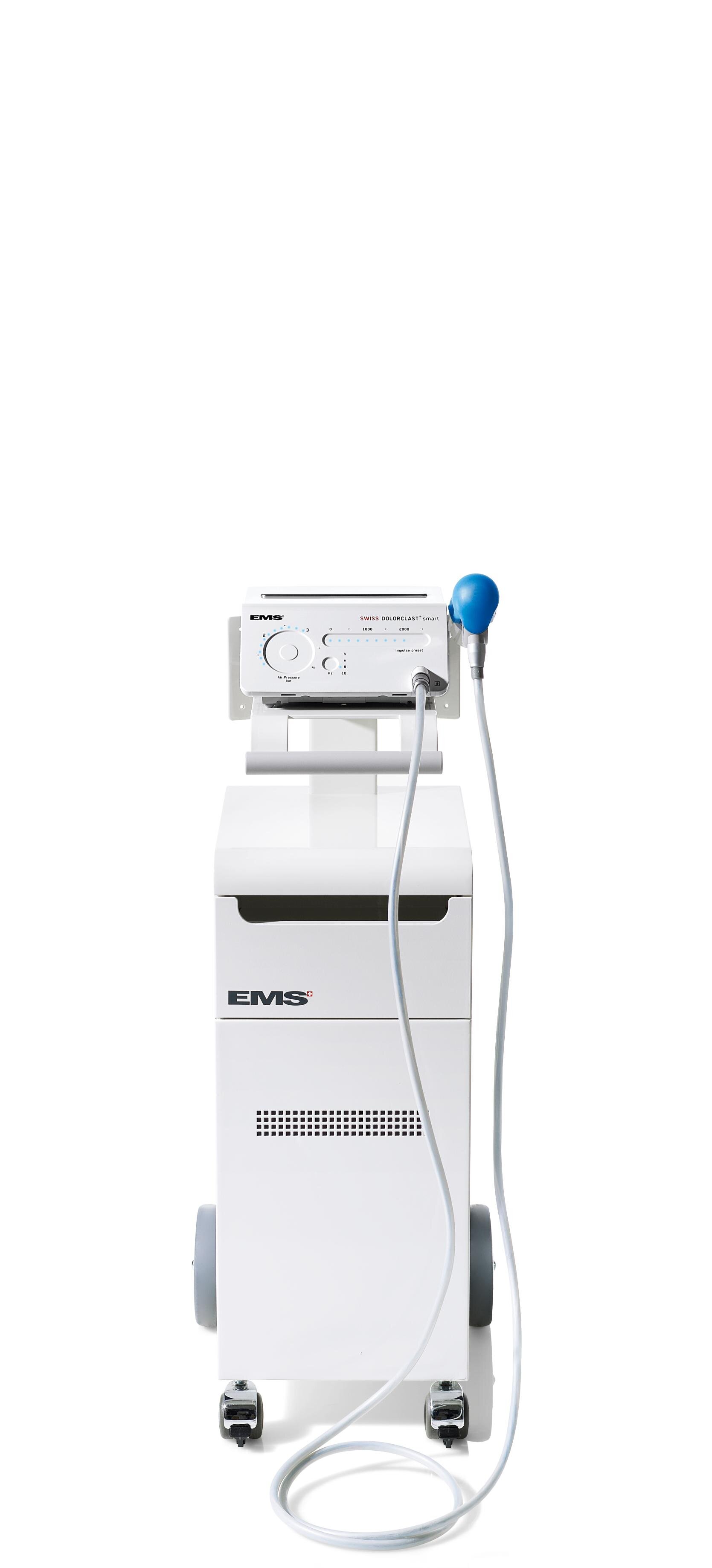
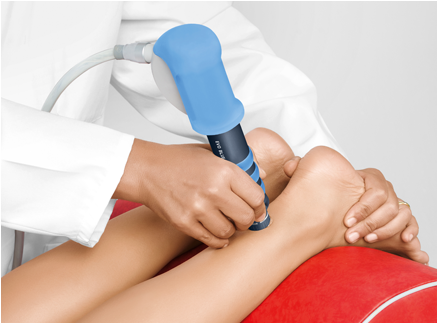
Achilles tendinopathy is a common, often debilitating condition that affects the large tendon at the back of the ankle. Whether you are an athlete dealing with acute pain when running or a walker struggling with morning stiffness, Swiss Dolorclast® Shockwave Therapy is one of the most effective non-invasive treatments available today to restore tendon health
Understanding Achilles Tendinopathy:
Unlike acute tendonitis, chronic tendinopathy is typically a degenerative process rather than an inflammatory one. The tendon becomes thickened and disorganized, losing its ability to "spring" and handle load.
We treat two primary types of Achilles pain:
Mid-Portion Tendinopathy: Pain and swelling located 2–6cm above the heel bone.
Insertional Tendinopathy: Pain located exactly where the tendon attaches to the heel (often associated with Haglund’s deformity or bone spurs)
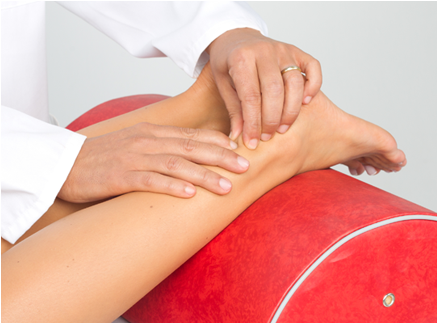
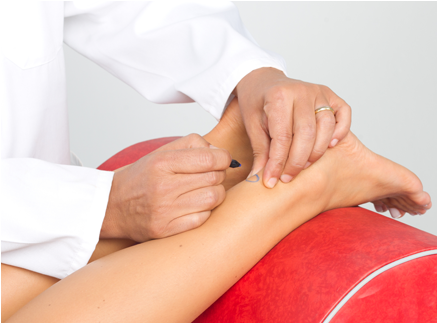
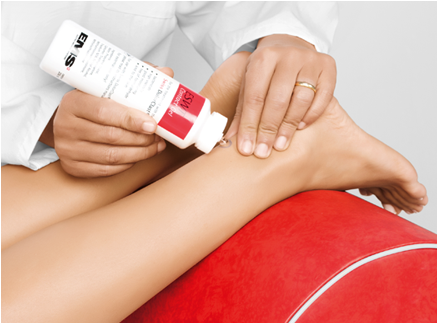
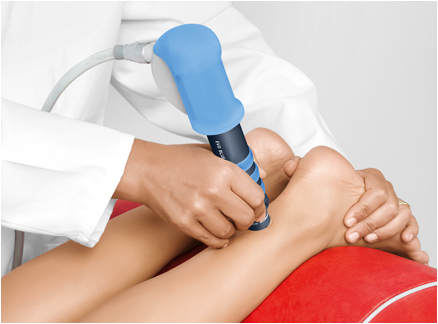
Why Shockwave is the "Gold Standard" for Achilles Repair:
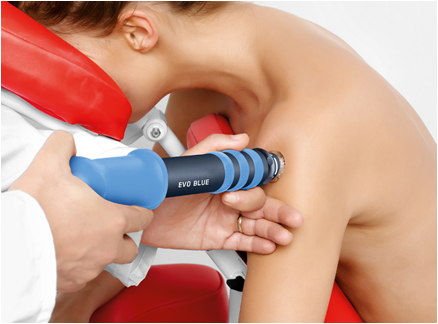
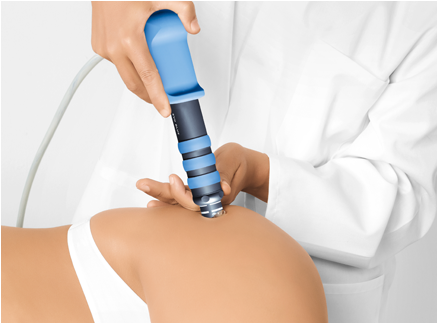
Traditional treatments like rest or stretching often fail because the Achilles tendon has a very poor blood supply. Extracorporeal Shockwave Therapy (ESWT) changes the biological environment of the tendon:
Neovascularization: The acoustic waves stimulate the growth of new micro-vessels, bringing fresh blood and nutrients to the "dead zones" of the tendon.
Collagen Synthesis: ESWT triggers the production of Type 1 collagen, helping the tendon fibers realign and become strong again.
Pain Transduction: By overstimulating nerve endings, Shockwave therapy can provide immediate relief from the persistent "aching" associated with the condition
Your Recovery Pathway in Glasgow:
At Physio Effect, we combine Swiss Dolorclast technology with our "Pain to Performance" framework.
Specialist Diagnosis: We assess whether your pain is mid-portion or insertional to apply the correct Shockwave protocol.
Clinical Loading: Shockwave "restarts" the healing, but specific loading exercises in our Gym facility ensure the tendon stays strong.
Biomechanical Audit: Our lead specialists, Jonny Kilpatrick and Danny Wray, may use Running Gait Analysis to ensure your running mechanics aren't the root cause of the overload.