
Shin Splints Treatment Glasgow | Specialist Shockwave Therapy

Fast-Track Your Return to Running & Sport
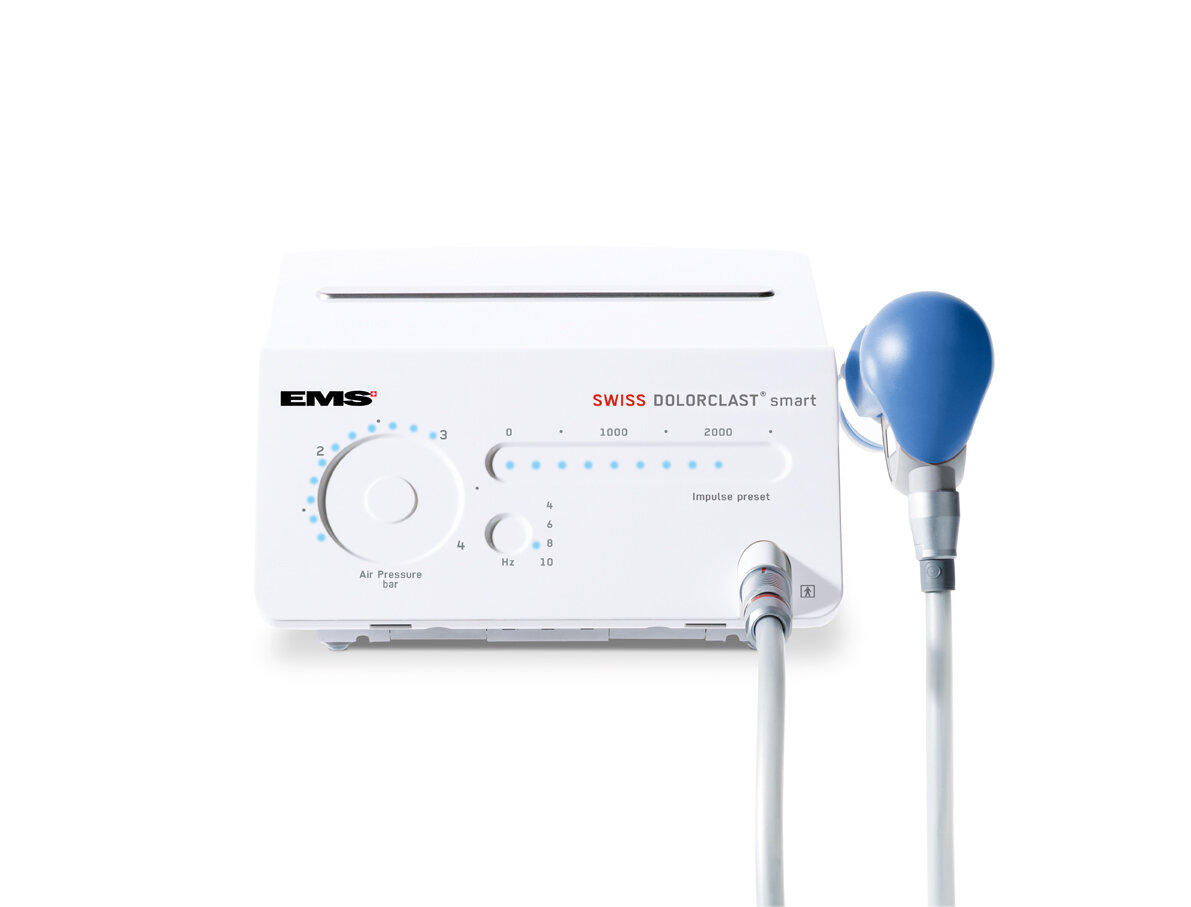
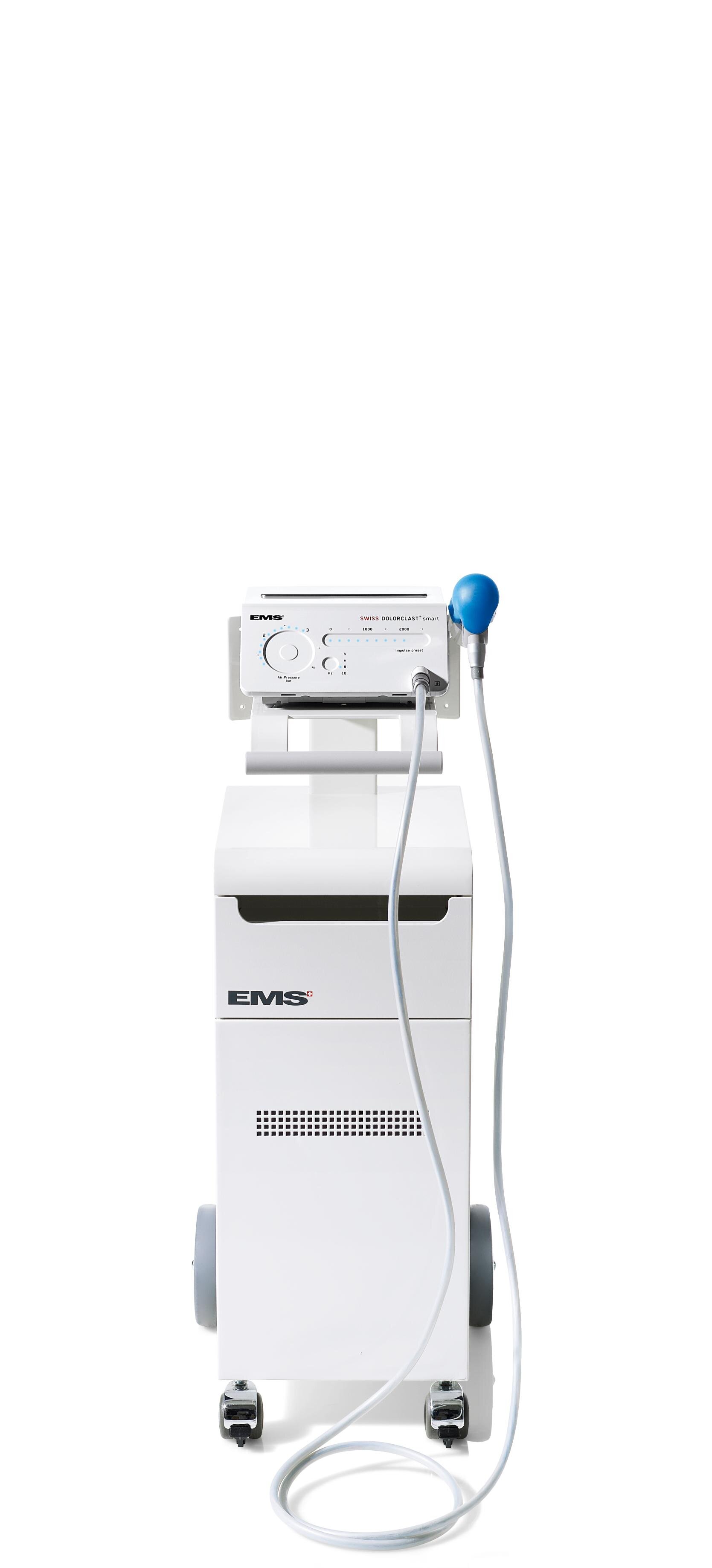
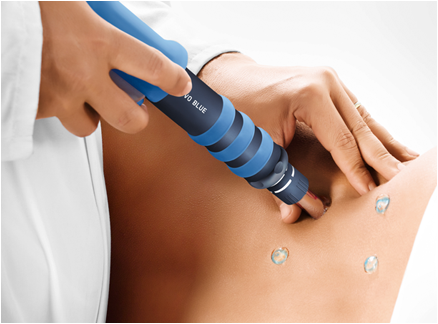
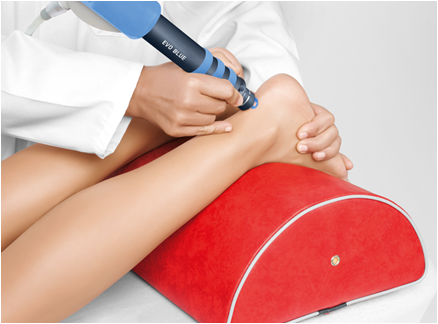
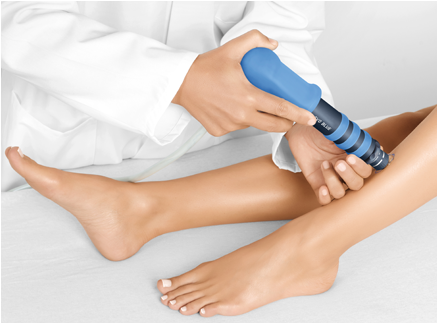
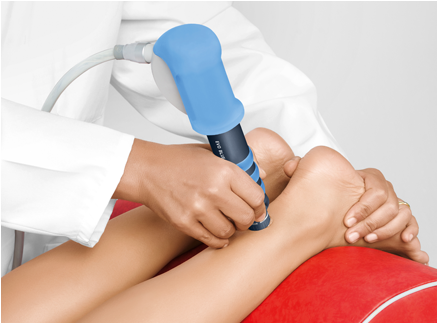
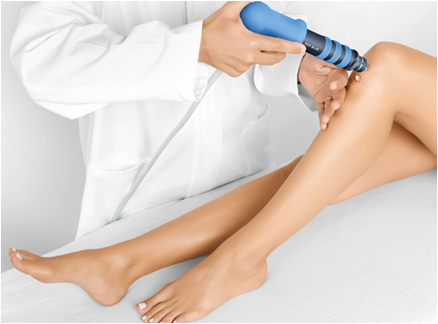
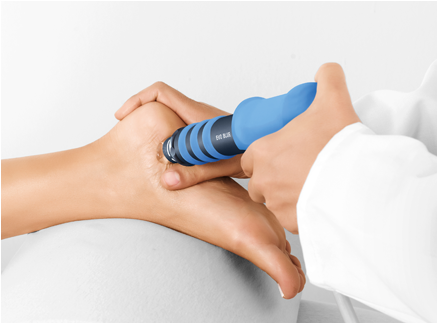
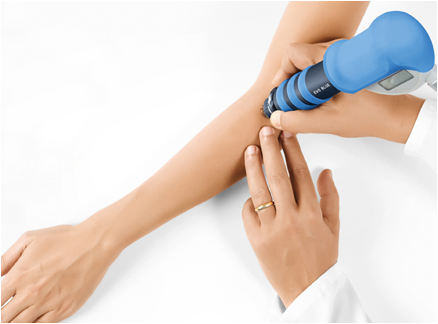
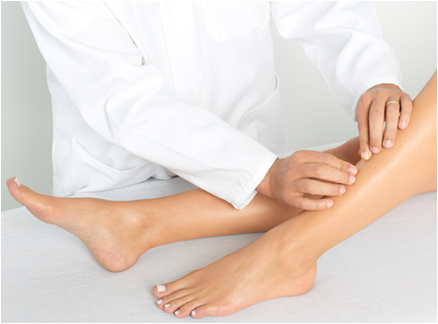
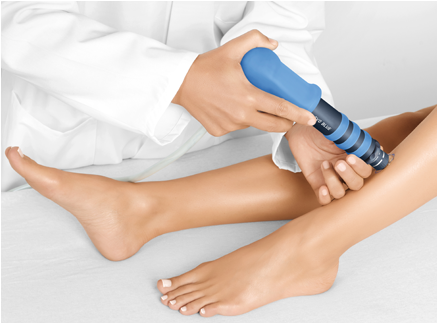
Medial Tibial Stress Syndrome (MTSS), commonly known as Shin Splints, is one of the most frustrating injuries for runners, athletes, and military personnel. It is characterized by exercise-induced pain along the inner edge of the shinbone (tibia). At Physio Effect, we use Swiss Dolorclast® Shockwave Therapy to accelerate bone-to-tendon healing and get you back on the track or field faster than traditional rest alone
Why Do Shin Splints Keep Coming Back?
Shin splints are a "stress reaction" caused by the repetitive pulling of the calf muscles and connective tissues on the periosteum (the sheath covering the shinbone). If the bone cannot repair itself as fast as it is being loaded, it becomes painful and inflamed.
Common Symptoms:
Dull Ache: Pain along the lower two-thirds of the inner shin.
Pain at Start/End: Discomfort that begins when you start running but often persists long after the session.
Tenderness to Touch: Sharp pain when pressing on the inner edge of the shinbone.
Swelling: Slight redness or "lumpiness" along the bone in more severe cases.
The Science: How Shockwave Fixes Shin Splints
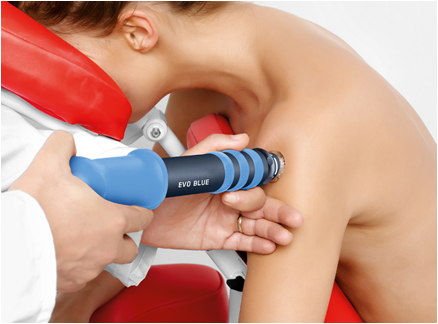
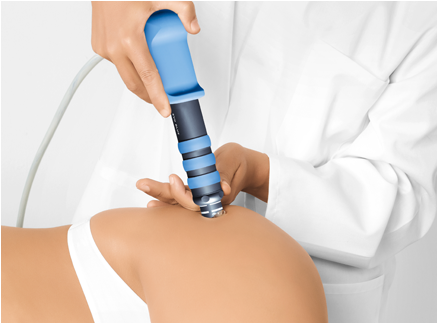
For chronic MTSS, Extracorporeal Shockwave Therapy (ESWT) provides a mechanical stimulus that "wakes up" the healing response in the bone and soft tissue:
Stimulating Osteoblasts: Shockwave has been shown to stimulate bone-forming cells (osteoblasts), helping to strengthen the tibia against stress.
Increased Angiogenesis: By creating new micro-vessels, the treatment brings essential nutrients to the periosteum to repair the damaged sheath.
Pain Desensitization: Shockwave reduces the sensitivity of the local nerve endings, breaking the chronic pain cycle
Your Recovery Pathway: Pain to Performance
At Physio Effect, we don't just treat the pain; we fix the reason it started.
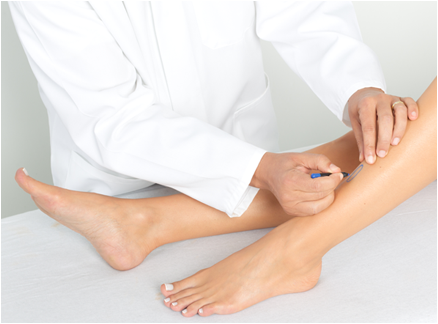
Expert Assessment: We rule out more serious issues like Tibial Stress Fractures or Compartment Syndrome to ensure Shockwave is the safe and correct choice.
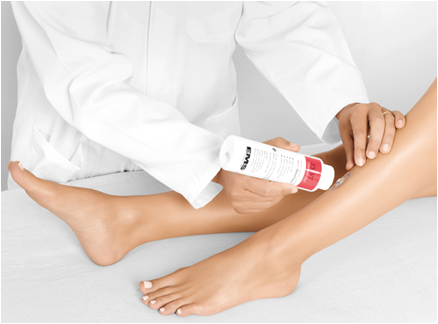
Shockwave Protocol: A typical course involves 3 to 5 sessions, performed weekly.
Biomechanical Correction: Led by our Running Specialist, Jonny Kilpatrick, we highly recommend a Running Gait Analysis alongside your treatment to identify if your footwear or running form is overloading your shins.